At Fitness n Motion Health Centre (FNM), we believe that fitness is not just a short-term project but a lifelong journey. If you’ve ever struggled to maintain a workout routine, you’re not alone! Many people face this challenge, and the key to overcoming it is setting up a sustainable fitness routine. In this blog post, we’ll guide you on how to create a routine that fits your life and goals, helping you stay active and healthy for the long haul, focusing on how to set up a sustainable fitness routine for long-term success.
The Importance of Sustainability in Fitness
One of the most common mistakes people make when starting a new fitness routine is going too hard, too fast. You might feel motivated to work out five days a week, but if it’s not realistic for your lifestyle, it won’t last. A sustainable fitness routine is one that you can stick to consistently, week after week, month after month. It’s about making fitness a regular part of your life without burning out or feeling overwhelmed, and understanding how to set up a sustainable fitness routine for the long run.
At FNM, we understand the importance of sustainability. We’re a family-owned gym, and just like a family, we want to see our members thrive over time. The best way to achieve that is by creating routines that fit comfortably into your everyday life. Think of it as a marathon, not a sprint. By pacing yourself and making small, manageable changes, you’re more likely to maintain your fitness journey in the long run.
How to Set Achievable and Flexible Goals
Setting goals is essential for any fitness routine, but they need to be realistic and flexible. Achievable goals are the stepping stones to long-term success. If you set goals that are too ambitious, you might feel discouraged when you can’t meet them. On the other hand, setting small, manageable goals helps build confidence and keeps you motivated. This is crucial when learning how to set up a sustainable fitness routine for long-term success.
Start by asking yourself what you want to achieve with your fitness routine. Maybe you want to increase your strength, improve your cardiovascular health, or simply feel more energetic throughout the day. Whatever your goals, break them down into smaller milestones. For example, if your goal is to run a 5k, start with a plan to jog for 20 minutes twice a week, and gradually increase the time as you get fitter.
Flexibility is also key to a sustainable routine. Life happens – whether it’s a busy week at work, a holiday, or just feeling a bit under the weather. It’s okay to adjust your routine when needed. If you miss a workout, don’t stress! Just pick up where you left off and keep going. At FNM, we encourage a positive mindset where progress is celebrated, and setbacks are seen as opportunities to learn and grow.
Balancing Different Types of Workouts
A balanced fitness routine includes a mix of cardio, strength training, and flexibility exercises. Each of these plays a vital role in your overall health and well-being. Too much focus on one type of exercise can lead to burnout or injury, while a well-rounded routine keeps things interesting and your body challenged in different ways.
- Cardio: Whether it’s running, cycling, swimming, or even dancing, cardiovascular exercise gets your heart rate up and improves your endurance. Aim for at least 150 minutes of moderate cardio each week. This can be broken down into 30-minute sessions five times a week.
- Strength Training: Building muscle is not just for bodybuilders! Strength training helps you maintain a healthy weight, improves bone density, and boosts your metabolism. Try to include strength exercises two to three times a week. You can use machines, free weights, resistance bands, or your body weight – all of which we have available at FNM.
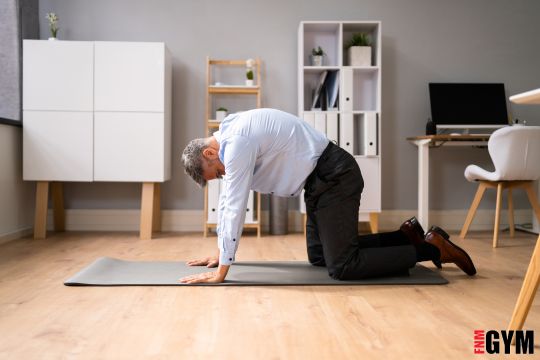
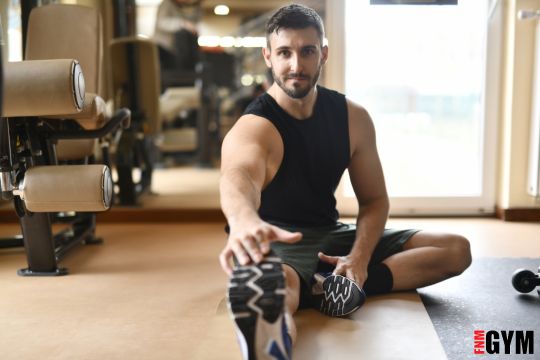
- Flexibility: Often overlooked, flexibility exercises such as stretching or yoga help improve your range of motion and prevent injuries. Incorporate some form of stretching into your routine, whether it’s a full yoga class or just a few minutes after each workout.
By mixing these three elements, you’ll not only prevent boredom but also create a balanced and effective workout routine that supports your overall fitness goals.
Don’t forget group fitness, if that’s your thing. The classes at FNM have got you covered for cardio, strength training, and flexibility with options to suit all ages and fitness levels.
Adapting Your Routine to Life Changes
Life is unpredictable, and your fitness routine should be adaptable. There will be times when sticking to your usual schedule isn’t possible. Whether you’re travelling, going through a busy period at work, or dealing with a personal challenge, your routine needs to be flexible.
At FNM, we always recommend planning ahead for these moments. If you know you’ll be travelling, look for quick, body-weight exercises you can do in a hotel room or use a skipping rope for cardio. If your work schedule changes, consider fitting in shorter, high-intensity workouts. Even just 10 minutes of exercise is better than none!
It’s also important to listen to your body. If you’re feeling tired or stressed, it’s okay to scale back your workouts or take a rest day. The key is to keep moving in some way, even if it’s just a walk around the block or a light jog on the treadmill. This approach helps you stay consistent, which is the foundation of any long-term fitness plan. So, remember your goals on how to set up a sustainable fitness routine for long-term success.
By focusing on sustainability, achievable goals, a balanced workout routine, and adaptability, you’ll be well on your way to creating a fitness plan that lasts. At Fitness n Motion Health Centre, we’re here to support you every step of the way. Our inclusive, family-friendly environment is designed to help you find your fitness groove and keep it going, no matter what life throws at you. So why not start today? Your long-term success begins with just one step! Feel free to pop into FNM, chat with our friendly staff, and let’s work together to set up a routine that works for you for the long term.
Click here to read more about Your first 30 day a the Gym: what to expect and how to succeed