The Link Between Posture and Pain
Simple Fixes for Everyday Life
IIf you feel stiff, sore, or tired without a clear cause, posture may play a role. Additionally, posture affects how your body moves, rests, and copes with daily demands. At Fitness n Motion Health Centre, we see this every week. For instance, office workers mention sore necks. Likewise, parents talk about aching backs. Moreover, older adults notice stiffness or balance concerns. Understanding the link between pain and posture can help in addressing these issues.
The encouraging part is that posture-related pain often improves with small changes. In fact, you do not need perfect posture all day. Instead, you just need better habits and regular movement. With the right approach, your body can feel stronger and more comfortable again.
Why Posture Has Such a Big Impact on Pain
Posture is how you hold your body while sitting, standing, and moving. Good posture allows muscles and joints to share the workload evenly. Poor posture places extra strain on certain areas, especially the neck, shoulders, and lower back. Exploring how posture links with pain provides a clearer understanding of its impact.
When posture slips, your muscles work harder to hold you upright. Over time, this leads to tightness, fatigue, and discomfort. Pain may appear gradually, which makes the cause harder to spot. Many people only notice the problem once soreness becomes constant.
Office workers are especially affected. Long hours at desks encourage slouching and forward head posture. Parents face different challenges, including lifting children, carrying bags, and rushing through busy days. Older adults may experience posture changes due to reduced strength and flexibility.
The body is adaptable at any age. With regular attention, posture can improve and pain can reduce. The key is awareness and consistency in understanding the posture-pain link.
Common Posture Issues
Certain posture habits show up again and again. You might recognise one or more of these patterns in yourself.
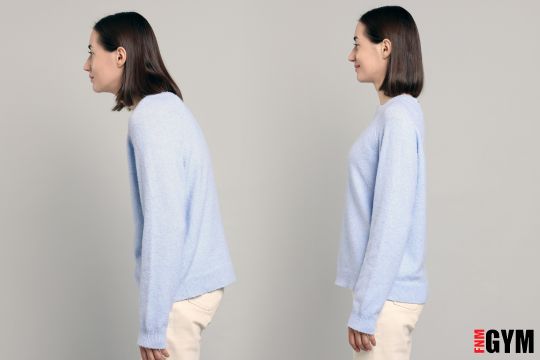
Forward head posture is very common. This happens when your head sits in front of your shoulders. It places extra load on your neck and upper back muscles. Rounded shoulders often follow, where the chest tightens and the upper back weakens. When you examine the link between posture and pain, these issues are prevalent.
Slouched sitting is another frequent issue. When the lower back collapses, pressure increases on spinal joints and discs. Standing habits also matter. Leaning on one hip or locking your knees can strain the lower back and reduce balance.
These habits usually develop slowly. They feel normal at first, which makes them hard to change. Pain often acts as the warning sign that something needs attention.
Easy Daily Corrections That Make a Difference
You do not need to sit or stand perfectly all day. That approach usually creates tension and frustration. Instead, aim for gentle posture check-ins throughout the day.
When sitting, place both feet flat on the floor and sit tall through your chest. Let your shoulders relax downward rather than pulling them back forcefully. Your screen should sit at eye level to avoid leaning forward. If needed, raise your laptop with books or a stand to minimize posture-related pain.
Take short movement breaks every thirty minutes. Stand up, stretch, or walk briefly. Even one minute helps reset your posture.
When standing, spread your weight evenly across both feet. Keep your knees soft and your chest open. Imagine a string gently lifting you upward.
Parents should bring children close to the body before lifting. Bend through the knees and exhale during the lift. Older adults may benefit from moving slowly and using support when needed. These actions can alleviate pain linked to posture.
These small habits protect your body over time. Consistency matters more than effort.
Simple Exercises to Strengthen Posture
Strong muscles support better posture naturally. These exercises are simple, safe, and suitable for most people.
Wall posture holds help with awareness. Stand with your head, shoulders, and hips against a wall. Hold the position for thirty seconds while breathing calmly. Recognizing the connection between posture and pain can guide these practices.
Seated row squeezes strengthen the upper back. Sit tall on a chair and gently pull your elbows backward. Squeeze the shoulder blades together and hold for five seconds. Repeat ten times.
Chin tucks help reduce forward head posture. Sit or stand upright and gently pull your chin backward. Keep your eyes level and hold briefly. Repeat ten times.
Glute bridges support the lower back and hips. Lie on your back with knees bent and lift your hips while squeezing your glutes. Lower slowly and repeat.
Chest opening stretches counter rounded shoulders. Clasp your hands behind your back and lift them gently while opening your chest. Breathe deeply and relax.
Stop any exercise that causes pain. Listen to your body and seek guidance when unsure.
How Fitness n Motion Health Centre Can Help
At Fitness n Motion Health Centre, we believe movement should feel good and support everyday life. As a family-owned and community-focused gym, we take time to understand you. Your work, lifestyle, and goals all matter.
Improving posture takes patience and encouragement. With the right support, progress feels achievable and sustainable. Whether you sit at a desk, care for a family, or want to stay strong as you age, the link between pain and posture is significant.
Better posture is not about holding yourself stiffly. It is about moving often, building strength, and feeling confident in your body. Start small, stay consistent, and let your body respond.
If you would like guidance, the FNM team is here to help. Pop in, have a chat, and take the first step towards easier movement and less pain.
Click here to read more about Benefits of Maintaining Good Posture.