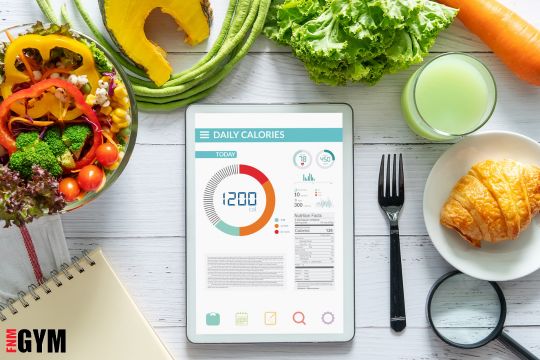
Walk through any supermarket and you will see shelves full of foods labelled healthy, light, or low calorie. It can feel confusing when you are trying to lose fat. Should you choose the lowest calorie option? Or the food that seems the most natural and nutritious? In fact, understanding The Truth About Healthy vs Low Calorie Foods and Fat Loss is key.
At FNM, we see this confusion a lot. You might start your journey with the best intentions, yet the labels and diet trends send mixed messages. The good news is that fat loss does not have to be complicated. When you understand a few simple ideas, your food choices become much easier.
Let’s break down the difference between healthy foods and low calorie foods, and why the balance between them matters most. Ultimately, The Truth About Healthy vs Low Calorie Foods and Fat Loss comes from knowing how to make that balance work for you.
Low Calorie Does Not Always Mean Healthy
Low calorie foods often sound perfect for fat loss. If calories are lower, you assume fat loss must follow. In reality, it is not always that simple.
Many low calorie foods are heavily processed. They may remove fats or sugars, then add artificial ingredients to improve taste. You might find diet yoghurts, low calorie snack bars, or “light” desserts packed with additives.
These foods can technically reduce your calorie intake, but they often leave you feeling hungry again soon after eating. When that hunger returns quickly, you may end up snacking more later in the day.
Another issue is satisfaction. If your meals never feel filling or enjoyable, it becomes harder to stay consistent. And consistency is the real secret to fat loss.
This does not mean all low calorie foods are bad. Many natural foods are naturally low in calories. Think vegetables, berries, lean proteins, and clear soups. The key is understanding the difference between naturally low calorie foods and highly processed “diet” foods.
Your body usually responds better to foods that are closer to their natural state.
Healthy Foods Support Your Body While You Lose Fat
Healthy foods give your body the nutrients it needs to function well. They contain vitamins, minerals, fibre, and protein that support energy, recovery, and overall health.
When you eat these foods regularly, your body tends to feel more satisfied after meals. This helps reduce cravings and overeating.
Examples of healthy foods include lean meats, fish, eggs, vegetables, fruit, whole grains, nuts, and dairy products. These foods may contain more calories than some diet snacks, yet they support your body much better.
For example, a small handful of nuts has more calories than a rice cracker. However, the nuts contain healthy fats, fibre, and protein. That combination keeps you fuller for longer.
You might notice that healthy foods often require chewing and digestion time. This process also helps your brain recognise that you have eaten enough.
When you focus on real, nourishing foods, fat loss usually becomes more sustainable.
Calories Still Matter for Fat Loss
Even though healthy foods are important, calories still play a role in fat loss. Your body needs a calorie deficit to lose fat. That simply means you use more energy than you consume. The Truth About Healthy vs Low Calorie Foods and Fat Loss is that both aspects interact to influence your progress.
However, the goal is not to eat as little as possible. The goal is to find a balanced intake that supports your training, energy levels, and daily life.
Extreme calorie restriction often backfires. You may feel tired, irritable, and constantly hungry. When this happens, it becomes very difficult to stay on track.
Instead, focus on building meals around whole foods and reasonable portions. This approach helps you naturally manage your calorie intake without feeling deprived.
At FNM we often encourage members to think about quality first, then quantity. When your meals are built from nutritious foods, the calorie balance becomes easier to manage.
Simple Tips to Balance Healthy and Low Calorie Foods
You do not need complicated rules to make progress. A few practical habits can make a big difference.
Start by building each meal around a source of protein. This might include chicken, fish, eggs, tofu, or Greek yoghurt. Protein supports muscle maintenance and keeps you feeling full.
Next, add plenty of vegetables to your plate. Vegetables are naturally low in calories and high in nutrients. They also add volume to your meals without dramatically increasing calories.
Include healthy carbohydrates when your body needs energy. Foods like oats, rice, potatoes, and whole grains can support training and recovery.
Be mindful of highly processed “diet foods”. They may fit into your routine occasionally, but they should not form the foundation of your diet.
Most importantly, listen to your hunger signals. Eating slowly and paying attention to fullness can prevent overeating. Clearly, The Truth About Healthy vs Low Calorie Foods and Fat Loss is reflected in your daily habits.
Progress Comes From Consistency, Not Perfection
Many people believe fat loss requires strict dieting and constant sacrifice. In reality, the most successful approach is usually the most balanced one.
You do not need to avoid every treat or count every calorie forever. Instead, focus on habits you can maintain for months and years.
At FNM, our community approach supports exactly that. You are not expected to be perfect. You are encouraged to learn, improve, and stay consistent.
When you combine supportive training, nourishing food, and realistic habits, fat loss becomes far more achievable.
The Takeaway
Healthy foods and low calorie foods both play a role in fat loss, but they are not always the same thing. Healthy foods nourish your body and help control hunger. Low calorie foods help manage energy intake.
The best approach combines both ideas. Choose mostly whole, nutritious foods while keeping an eye on overall portions.
When you focus on balance rather than extremes, your results tend to last longer. In summary, The Truth About Healthy vs Low Calorie Foods and Fat Loss is that balance and consistency matter most.
And remember, you do not have to figure it all out alone. At FNM, you are part of a supportive, family-run community that wants to see you succeed.
Small, consistent choices today can lead to powerful changes tomorrow. Your journey does not have to be perfect. It just needs to keep moving forward.